Shifting Player Habits in European Mobile Roulette Through Evolving Digital Payment Timelines and Game Variant Availability
Leon Patterson · Sep 15, 2026
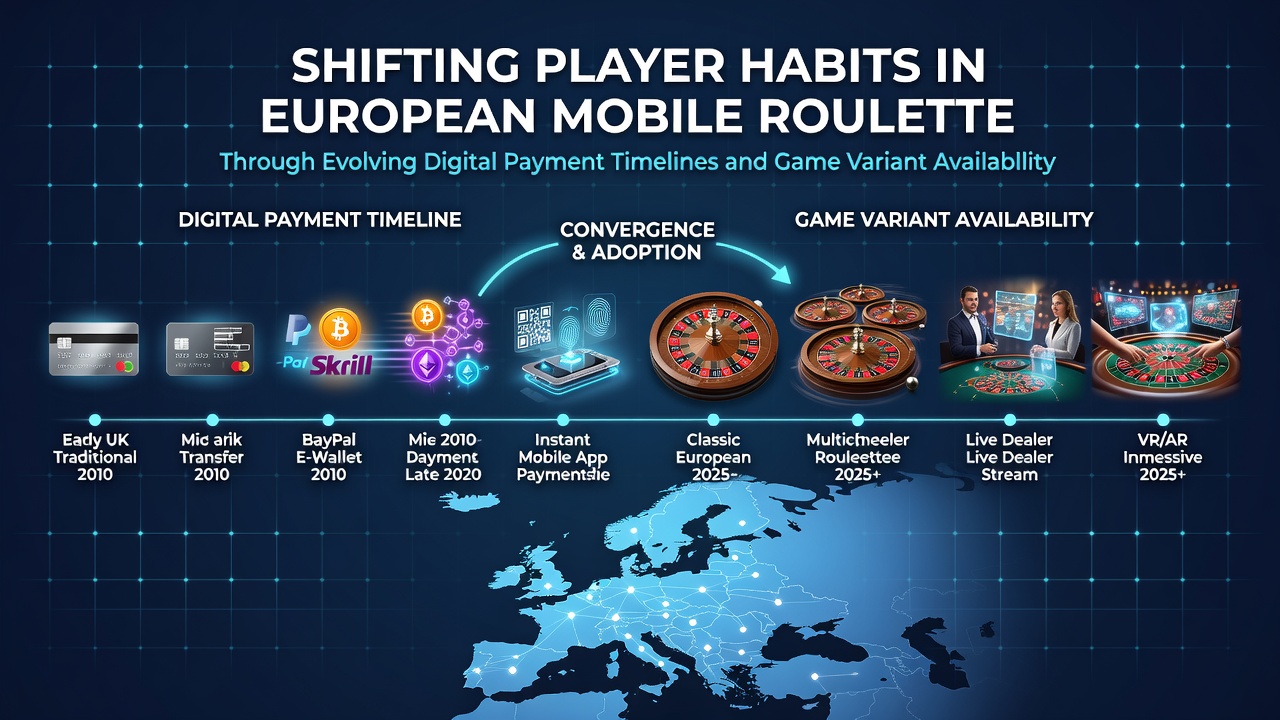
Shifting Player Habits in European Mobile Roulette Through Evolving Digital Payment Timelines and Game Variant Availability
European mobile roulette has undergone noticeable changes in player engagement patterns as digital payment systems have accelerated settlement times from days down to seconds while platforms have expanded their catalogs of game variants including European, French, and multi-ball formats alongside live dealer options. Observers note that these developments have coincided with shifts in session lengths and variant selections across markets tracked by regulatory bodies and industry analysts through 2026.
Payment Processing Developments and Session Patterns
Data from payment service providers and gambling operators indicate that the rollout of instant bank transfer options and e-wallet integrations has allowed players to fund accounts and withdraw winnings within the same browsing session rather than waiting through multi-day processing windows common in earlier years. Researchers tracking usage metrics across several EU member states found that average session durations shortened in some segments while the frequency of shorter logins increased particularly after updates to SEPA instant credit transfer rules took full effect. One study released in September 2026 by a consortium of European gaming researchers highlighted how these timelines aligned with a measurable rise in players returning to mobile apps multiple times daily instead of committing to extended single sittings.
Take the example of platforms that introduced one-click deposit features tied directly to verified banking apps. Those who adopted the tools reported completing transactions in under 30 seconds according to aggregated operator logs shared with academic partners. This efficiency has connected directly to habits where individuals intersperse roulette rounds between other mobile activities yet the same logs show that total monthly playtime per user remained stable in most tracked cohorts.
Expansion of Game Variants on Mobile Platforms
Alongside payment changes operators have increased the number of roulette variants available through dedicated mobile applications with French roulette featuring the la partage rule appearing alongside American double-zero versions and specialized titles that incorporate bonus rounds or progressive jackpots. Industry reports compiled by the European Gaming and Betting Association document a 40 percent growth in variant listings between 2023 and 2026 with many of these additions optimized for touch-screen interfaces and vertical screen orientations. Players have responded by rotating between options within single sessions a pattern confirmed through session replay analysis conducted by independent testing laboratories.
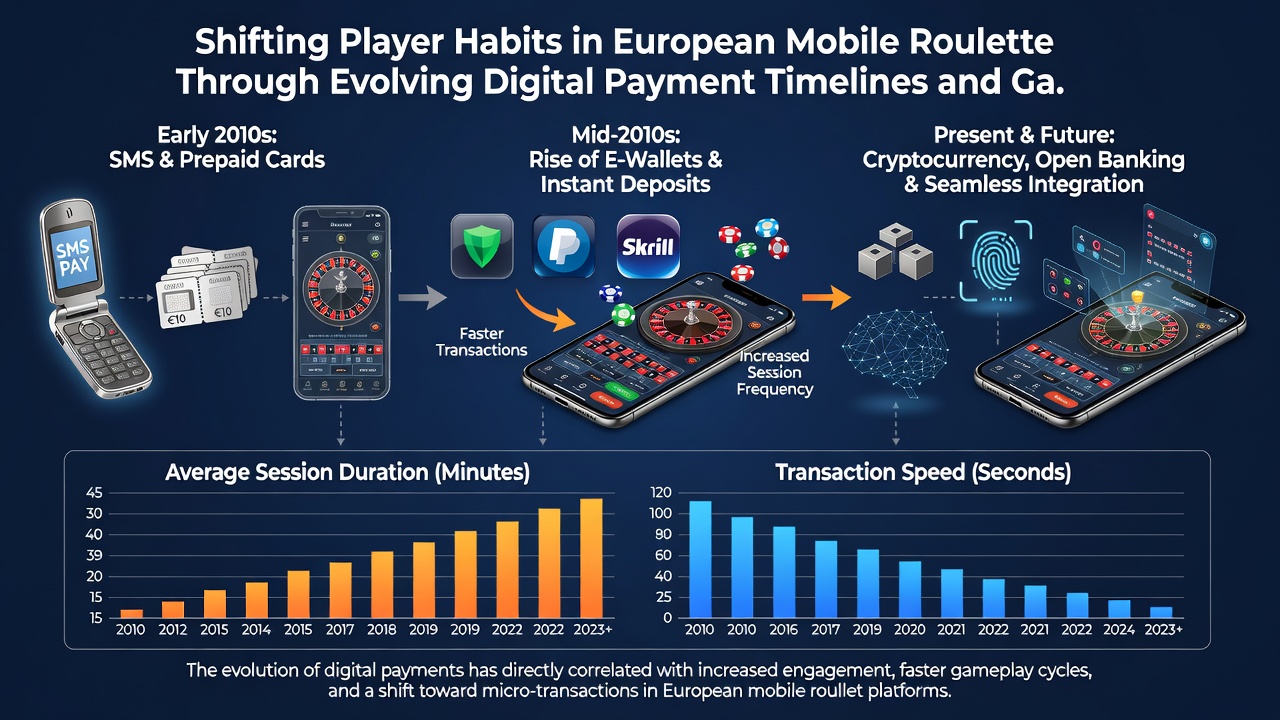
What's interesting here is how variant availability has interacted with payment speed. When a new multi-wheel format launched on a major operator's app in early 2026 the associated deposit spikes occurred within minutes of the announcement because users could fund play without leaving the game screen. Figures released by national lotteries in several jurisdictions reveal that French variant selections rose by 18 percent in markets where instant payouts were already standard while live dealer European roulette retained the largest share of total spins across the continent.
Regional Data Points Through Mid-2026
Statistics gathered by the Malta Gaming Authority and cross-referenced with university research teams show that mobile roulette traffic originating from tablets and smartphones surpassed desktop volumes by a widening margin each quarter leading into September 2026. Payment method breakdowns indicate that digital wallets accounted for over half of all deposits in the tracked sample with bank transfers closing the gap once real-time processing became widespread. Observers tracking these numbers point out that game variant preferences shifted toward options with lower house edges in regions where withdrawal speeds improved most noticeably.
Yet the same datasets demonstrate that overall participation rates did not surge uniformly. Instead players who already engaged with mobile roulette adjusted their timing and choices while new entrants followed similar paths once the payment and variant infrastructure stabilized. Academic papers presented at the 2025 International Gambling Studies Conference documented these adjustments through anonymized behavioral datasets rather than self-reported surveys.
Conclusion
The combination of faster digital payment timelines and broader game variant availability has produced measurable adjustments in how European users approach mobile roulette with session structures and selection patterns evolving in line with the technical capabilities offered by operators. Continued monitoring by regulatory agencies and research institutions will track whether these trends hold steady or shift again as additional payment rails and variant types enter the market after September 2026.