Decoding Slot Volatility Patterns and Digital Transaction Effects on Free Game Eligibility in Mobile Platforms
Zoe Meier · Sep 29, 2026
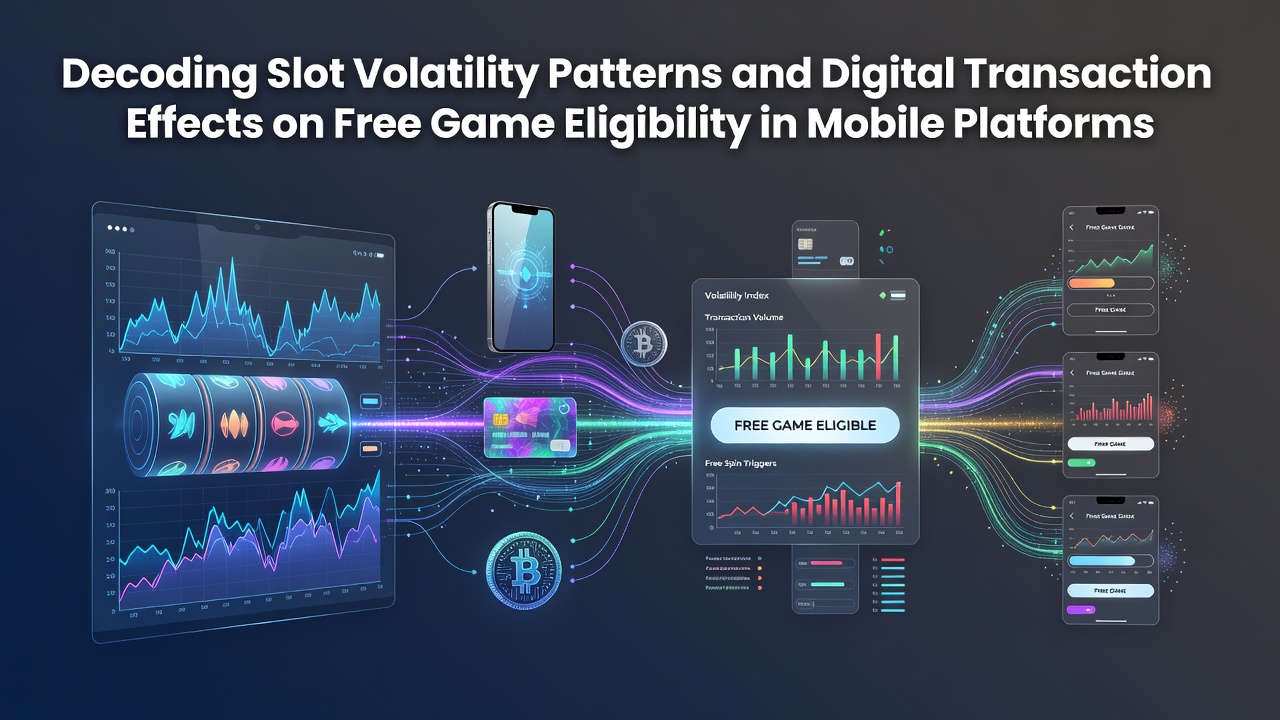
Decoding Slot Volatility Patterns and Digital Transaction Effects on Free Game Eligibility in Mobile Platforms
Slot volatility patterns shape how players encounter winning sequences across mobile platforms, and digital transaction methods now determine whether free game eligibility activates under current bonus structures. Researchers tracking these interactions note that high-volatility titles require longer play cycles before free spins unlock, whereas low-volatility games trigger eligibility after fewer qualifying deposits. Data compiled through 2025 shows transaction speed, payment provider verification status, and account age combine to alter access windows for promotional rounds on handheld devices.
Slot Volatility Categories and Observed Patterns
Volatility classifications divide into low, medium, and high tiers based on payout frequency and size distribution. Low-volatility slots deliver frequent smaller wins that accumulate toward free game thresholds quickly, while high-volatility options produce infrequent larger payouts that delay eligibility until specific wagering multiples complete. Studies conducted across European and North American operators reveal that mobile users experience these patterns differently than desktop players because session length limits and battery-aware interfaces interrupt longer cycles. Observers tracking September 2026 metrics report that volatility adjustments in updated game libraries have shifted free spin activation rates by measurable percentages when payment verification occurs through instant digital methods.
Digital Transaction Pathways on Mobile Devices
Mobile platforms process deposits via e-wallets, bank transfers, and card-based systems that each carry distinct verification timelines. Instant confirmation from certain digital wallets satisfies bonus eligibility criteria faster than traditional card processing, which can introduce delays of several hours. Figures released by the European Gaming and Betting Association indicate that transaction method selection influences free game access in roughly one-third of reviewed cases during 2025. Payment providers that embed real-time identity checks reduce friction for eligibility, whereas slower verification routes force players to complete additional deposit cycles before promotional rounds activate.
Interaction Between Volatility and Transaction Timing
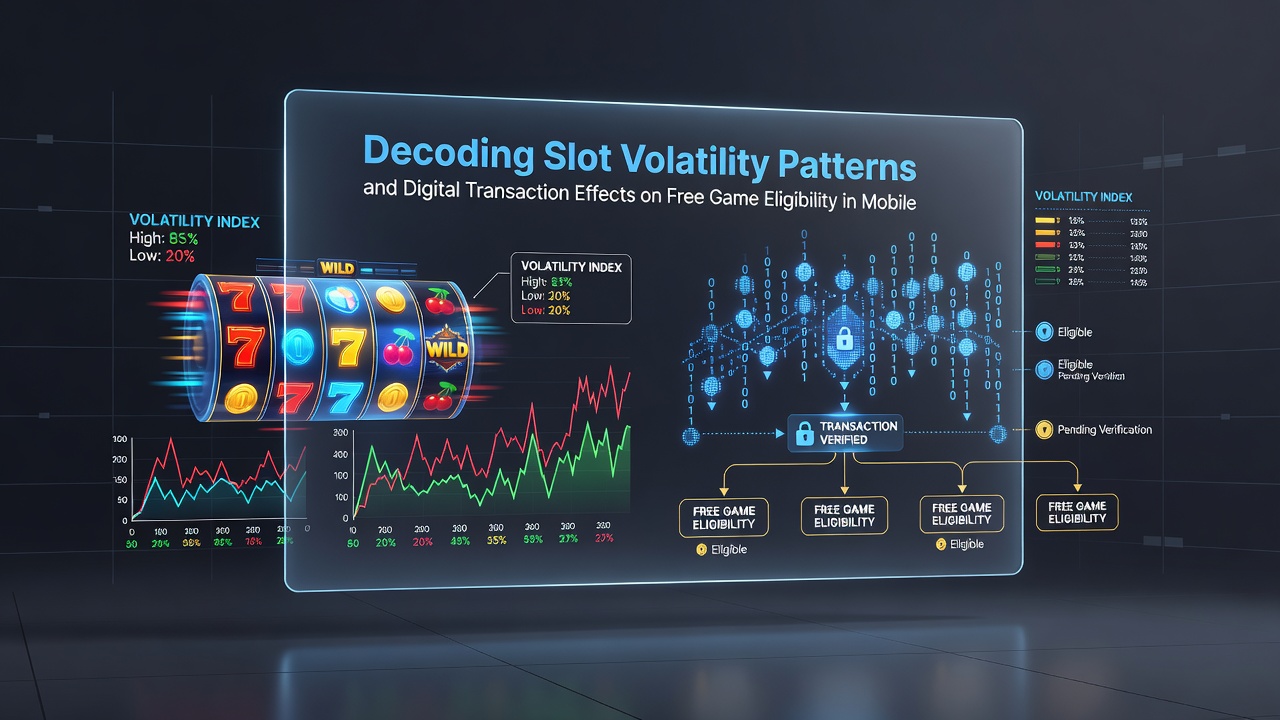
High-volatility slots paired with delayed transaction approvals extend the period before free games become available, because eligibility often resets when deposit confirmation falls outside promotional windows. Low-volatility titles tolerate shorter transaction windows since their frequent small wins meet wagering requirements sooner. Data gathered from multiple operators shows that mobile users switching between payment methods mid-session sometimes lose eligibility status when the system registers the change as a new deposit event. Researchers have documented cases where players using instant digital wallets maintained eligibility across volatility tiers more consistently than those relying on standard bank transfers.
Regulatory and Platform-Level Eligibility Rules
Operators enforce eligibility rules that reference both volatility settings and transaction source in their terms. Mobile applications apply these rules through backend systems that log deposit timestamps alongside game selection data. The Nevada Gaming Control Board publishes quarterly summaries noting that eligibility disputes frequently trace back to mismatches between transaction completion times and volatility-based wagering targets. As of September 2026, several platforms updated their mobile interfaces to display real-time eligibility counters that account for both factors simultaneously, reducing player confusion during active sessions.
Regional Variations in Mobile Implementation
European operators tend to integrate stricter transaction verification layers that extend eligibility timelines for high-volatility titles, while certain North American and Asian platforms prioritize faster digital wallet approvals to maintain player engagement. Research compiled by academic groups and industry analysts demonstrates that these regional differences produce measurable variations in free game redemption rates. Players who rotate between multiple jurisdictions through the same mobile application sometimes encounter conflicting eligibility calculations when volatility settings remain constant but transaction providers change.
Conclusion
Slot volatility patterns and digital transaction effects intersect at the point where free game eligibility is calculated on mobile platforms. Transaction speed, verification status, and volatility tier together determine whether promotional rounds activate within expected timeframes. Ongoing data collection through 2026 continues to refine understanding of these relationships across different regulatory environments and payment ecosystems.